

Over 40? Cholesterol, cravings, & weight changed? Read this.
One of the biggest surprises of perimenopause is that the strategies that worked in your 20s and 30s often stop working.
Many women start eating less, exercising more, and still feel bloated, tired, hungry, and frustrated.
Here’s the missing piece: fibre.
Fibre is one of the most underrated nutrients for women in perimenopause.
It helps lower LDL cholesterol, supports blood sugar regulation, and assists the body in removing excess oestrogen through the digestive tract, which may support healthier hormone balance.
Think of fibre as your metabolic support system.
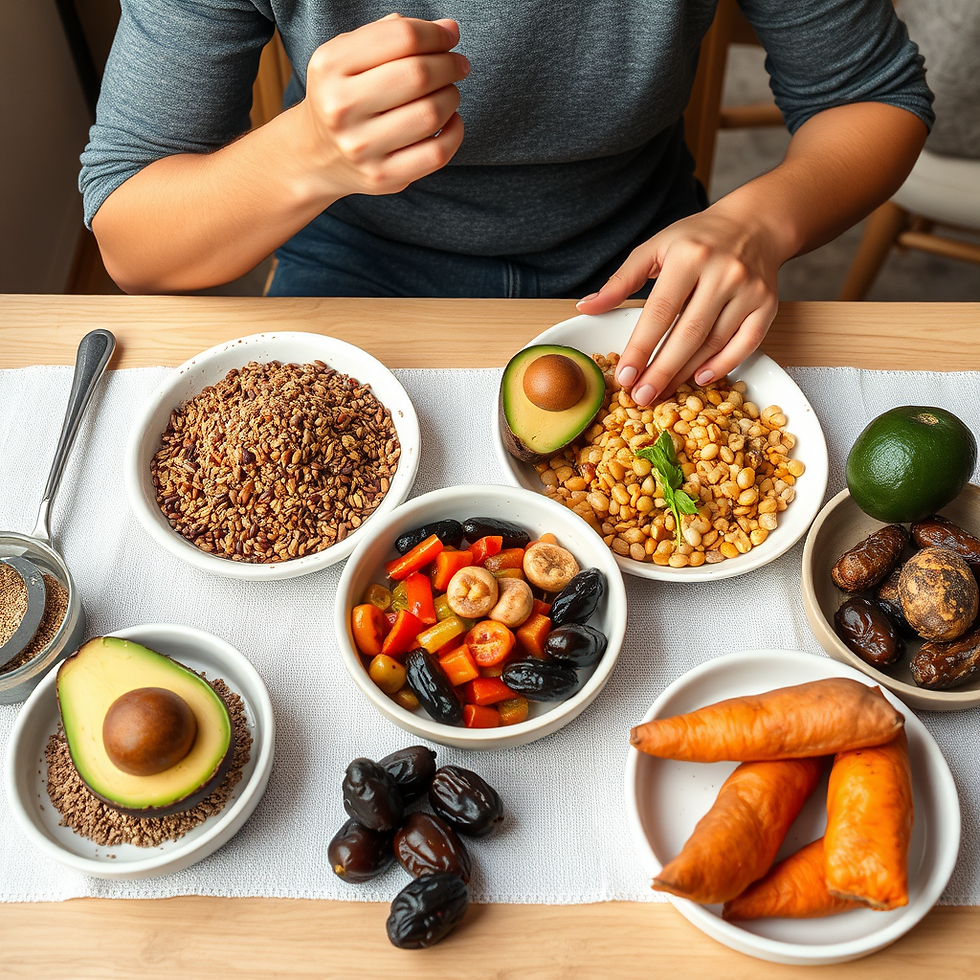
When meals contain vegetables, legumes, oats, chia, flaxseed, nuts, seeds, and other fibre-rich foods, you’re more likely to feel fuller for longer and experience fewer energy crashes and cravings.
But fibre works best when it’s part of the bigger picture. Pair it with a nutritious, protein-rich diet and regular weight training.
Resistance training helps maintain muscle mass, supports insulin sensitivity, and promotes healthy ageing—especially during the hormonal changes of perimenopause.
The women who feel best in perimenopause usually aren’t eating less—they’re eating more fibre, protein and lifting more weights.
Start by adding one extra serve of vegetables, berries, legumes, or seeds to a meal each day and aim to include resistance training two to three times per week.
Perimenopause is not just about hormones; it’s about nourishing your body and changing the way you move your body to helps those hormones work better.
💬 Tell me:
What’s one high-fibre food you already enjoy—oats, berries, legumes, chia, or something else?
Save this post for your next grocery shop and share it with a woman over 40 who needs this reminder today.
Keep in touch:
Instagram: A Nourished Recovery
References:
Anderson, J. W., Baird, P., Davis, R. H., Ferreri, S., Knudtson, M., Koraym, A., Waters, V., & Williams, C. L. (2009). Health benefits of dietary fiber. Nutrition Reviews, 67(4), 188–205. https://doi.org/10.1111/j.1753-4887.2009.00189.x
Soliman, G. A. (2019). Dietary fiber, atherosclerosis, and cardiovascular disease. Nutrients, 11(5), 1155. https://doi.org/10.3390/nu11051155
Westcott, W. L. (2012). Resistance training is medicine: Effects of strength training on health. Current Sports Medicine Reports, 11(4), 209–216. https://doi.org/10.1249/JSR.0b013e31825dabb8


Comments