

Boost Recovery with Better Nutrition: Addiction Recovery Nutrition That Supports You
Updated: Dec 14, 2025
When you’re on the path to healing, every step counts. One of the most powerful tools you have is the food you eat. Nutrition plays a vital role in how your body and mind recover from addiction. It’s not just about filling your stomach; it’s about nourishing your whole self. You deserve to feel stronger, clearer, and more balanced every day. Let’s explore how better nutrition can boost your recovery and help you build a healthier, happier life.
Why Addiction Recovery Nutrition Matters
Your body has been through a lot. Addiction can deplete essential nutrients, disrupt your metabolism, and throw your brain chemistry out of balance. This can leave you feeling tired, anxious, or foggy-headed. Good nutrition helps repair this damage. It supports your immune system, stabilises your mood, and improves your energy levels.
Think of your body as a garden. If you want it to flourish, you need to plant the right seeds and give it the right care. Eating nutrient-rich foods is like watering and feeding that garden. It helps your brain produce the chemicals that make you feel calm and happy, like serotonin and dopamine. It also helps your liver and kidneys detoxify your body more efficiently.
Here are some key nutrients to focus on:
Protein: Repairs tissues and supports brain function. Include lean meats, eggs, beans, and nuts.
Healthy fats: Support brain health. Opt for avocados, olive oil, and fatty fish like salmon.
Vitamins and minerals: Especially B vitamins, vitamin C, magnesium, and zinc, which are often depleted by substance use.
By prioritising these nutrients, you give your body the tools it needs to heal and thrive.
How to Incorporate Addiction Recovery Nutrition into Your Daily Life
Changing your eating habits can feel overwhelming, but small steps make a big difference. Start by making your meals simple and balanced. Here’s how you can begin:
Plan your meals: Write down what you’ll eat for the week. This helps avoid last-minute unhealthy choices.
Cook at home: Preparing your own food lets you control ingredients and portion sizes.
Stay hydrated: Water supports every function in your body. Aim for at least 8 glasses a day.
Snack smart: Choose nuts, seeds, or fruit instead of processed snacks.
Listen to your body: Eat when you’re hungry and stop when you’re full.
Remember, it’s okay to take it slow. Celebrate every healthy choice you make. Over time, these habits will become second nature.
If you want to dive deeper into how food supports your healing, check out nutrition for addiction. It’s a great resource tailored to your journey.
What are the 4 C's of addiction?
Nutrition can support your brain’s healing, helping reduce cravings, improve emotional regulation and decision making pathways. For example, Omega-3 fatty acids found in fish can improve brain function and mood regulation.

Foods That Support Brain and Body Healing
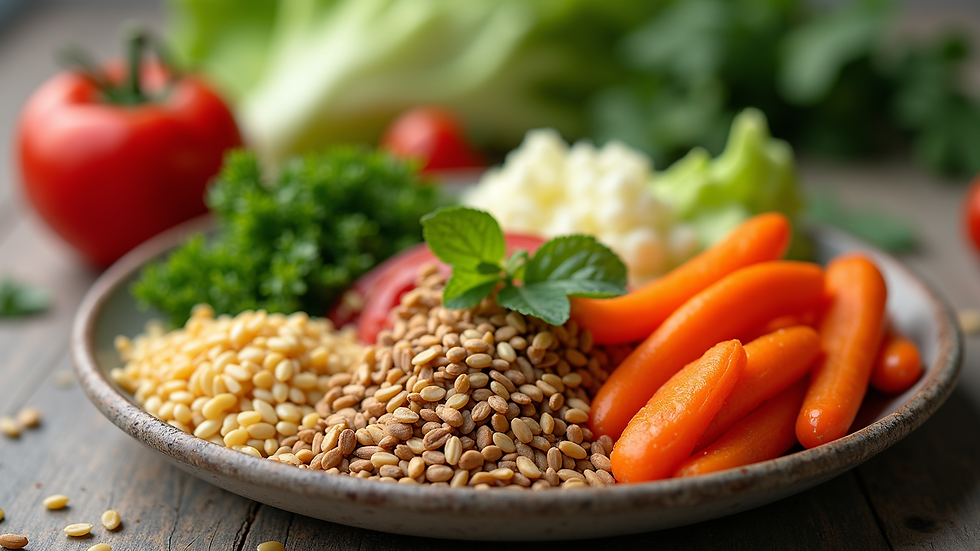
Certain foods have a special role in recovery. They help repair brain cells, reduce inflammation, and balance your mood. Here are some top picks:
Leafy greens: Spinach, kale, and broccoli are rich in antioxidants and vitamins.
Berries: Blueberries and strawberries protect brain cells from damage.
Nuts and seeds: Almonds, walnuts, and flaxseeds provide healthy fats and magnesium.
Lean proteins: Chicken, turkey, and tofu help rebuild tissues.
Whole grains: Brown rice, quinoa, and oats offer steady energy and fibre.
Fermented foods: Yogurt, kimchi, and sauerkraut support gut health, which is linked to mental health.
Try to include a variety of these foods in your meals. The more colourful your plate, the better. Variety ensures you get a broad range of nutrients that work together to heal your body and mind.
Tips for Overcoming Common Nutrition Challenges in Recovery
You might face some hurdles when trying to eat well. Here are some common challenges and gentle ways to overcome them:
Lack of appetite: Start with small, frequent meals. Smoothies or soups can be easier to manage.
Cravings for sugar or junk food: Replace sugary snacks with fruit or nuts. Keep healthy snacks handy.
Low energy to cook: Prepare meals in batches and freeze portions for busy days.
Emotional eating: Practice mindfulness and find other ways to soothe yourself, like walking or journaling.
Limited budget: Buy seasonal produce, shop sales, and choose affordable staples like beans and rice.
Remember, you’re not alone in this. Every small effort counts and builds your strength.
Nourishing Your Mind and Body Together
Recovery is about more than just food. It’s about caring for your whole self. Nutrition supports your mental health, but so do rest, movement, and connection. Try to:
Get enough sleep to help your brain reset.
Move your body gently with walks, yoga, or stretching.
Connect with supportive people who understand your journey.
Practice gratitude and positive self-talk.
These habits work hand in hand with good nutrition to create a strong foundation for lasting recovery.
You are worthy of this care. Each nourishing choice you make is a step toward a brighter, healthier future.
Taking care of your nutrition is a powerful way to support your recovery. By choosing foods that heal and fuel your body, you give yourself the best chance to thrive. Remember, progress is a journey, not a race. Be gentle with yourself and celebrate every positive change. Your body and mind will thank you for it.
American Psychiatric Association. (2022). DSM-5-TR: Diagnostic and statistical manual of mental disorders (5th ed., text rev.). https://doi.org/10.1176/appi.books.9780890425787
Benton, D., & Donohoe, R. T. (1999). The effects of nutrients on mood. Public Health Nutrition, 2(3a), 403–409. https://doi.org/10.1017/S136898009900054X
Jacka, F. N., O’Neil, A., Opie, R., Itsiopoulos, C., Cotton, S., Mohebbi, M., Castle, D., Dash, S., Mihalopoulos, C., Chatterton, M. L., Brazionis, L., Dean, O. M., Hodge, A. M., & Berk, M. (2017). A randomised controlled trial of dietary improvement for adults with major depression (the “SMILES” trial). BMC Medicine, 15(1), 23. https://doi.org/10.1186/s12916-017-0791-y
Lange, K. W. (2020). Diet, exercise, and mental disorders. Dialogues in Clinical Neuroscience, 22(3), 281–295. https://doi.org/10.31887/DCNS.2020.22.3/klange
National Institute on Drug Abuse. (2023). Drugs, brains, and behavior: The science of addiction. National Institutes of Health. https://nida.nih.gov
Sarris, J., Logan, A. C., Akbaraly, T. N., Amminger, G. P., Balanzá-Martínez, V., Freeman, M. P., Hibbeln, J., Matsuoka, Y., Mischoulon, D., Opie, R. S., Ramsey, D., Rucklidge, J. J., Sánchez-Villegas, A., Scholey, A., Su, K. P., & Jacka, F. N. (2015). Nutritional medicine as mainstream in psychiatry. The Lancet Psychiatry, 2(3), 271–274. https://doi.org/10.1016/S2215-0366(14)00051-0
Volkow, N. D., Koob, G. F., & McLellan, A. T. (2016). Neurobiologic advances from the brain disease model of addiction. New England Journal of Medicine, 374(4), 363–371. https://doi.org/10.1056/NEJMra1511480
Wolever, T. M. S., Gibbs, A. L., Mehling, C., Chiasson, J. L., Connelly, P. W., Josse, R. G., Leiter, L. A., Maheux, P., Rabasa-Lhoret, R., Rodger, N. W., Ryan, E. A., & Zinman, B. (2008). The Canadian Trial of Carbohydrates in Diabetes (CCD). American Journal of Clinical Nutrition, 87(1), 114–125. https://doi.org/10.1093/ajcn/87.1.114
Zeisel, S. H., & da Costa, K. A. (2009). Choline: An essential nutrient for public health. Nutrition Reviews, 67(11), 615–623. https://doi.org/10.1111/j.1753-4887.2009.00246.x


Comments